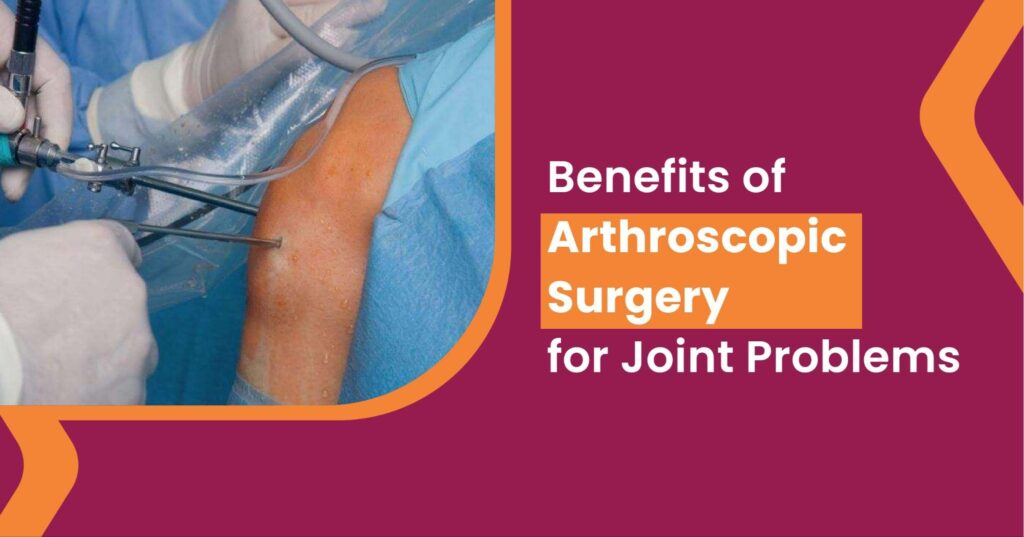
Joint problems can significantly affect a person’s ability to move comfortably and perform daily activities. Conditions such as cartilage damage, ligament tears, meniscus injuries, and chronic joint pain often limit mobility and reduce quality of life. Fortunately, advancements in orthopedic medicine have introduced minimally invasive procedures that provide effective diagnosis and treatment with less discomfort and faster recovery. One of the most widely used techniques today is arthroscopic orthopedic surgery, a modern surgical procedure that allows orthopedic specialists to examine, diagnose, and treat joint conditions through small incisions using a specialized camera called an arthroscope. This innovative approach has transformed the way many joint disorders are managed, offering numerous advantages compared to traditional open surgery.
Arthroscopic surgery is commonly performed on joints such as the knee, shoulder, ankle, hip, elbow, and wrist. During the procedure, a small camera is inserted into the joint through a tiny incision, providing a clear view of the internal structures on a monitor. This enables surgeons to identify damaged tissues and perform necessary repairs using specialized instruments. Because only small incisions are required, patients experience less trauma to surrounding tissues, resulting in reduced pain and quicker healing. These advantages make arthroscopic surgery a preferred option for many individuals seeking effective joint injury treatment.
One of the major benefits of arthroscopic surgery is its ability to provide precise diagnosis and treatment simultaneously. In some cases, imaging tests such as X-rays or MRIs may not reveal the full extent of a joint problem. Arthroscopy allows surgeons to directly visualize the joint and accurately identify issues such as cartilage damage, torn ligaments, inflammation, or loose bone fragments. This precision contributes to successful joint repair surgery and improved treatment outcomes. By addressing the root cause of the problem, arthroscopic procedures can significantly improve joint function and mobility.
Knee arthroscopy is among the most common arthroscopic procedures performed worldwide. The knee joint is particularly vulnerable to injuries due to sports activities, accidents, and age-related wear and tear. Conditions such as torn menisci, damaged cartilage, and ligament injuries can lead to pain, swelling, and instability. Through arthroscopic knee surgery, surgeons can perform meniscus tear treatment, remove damaged tissue, repair cartilage, and reconstruct ligaments with minimal disruption to the surrounding structures. Patients often experience significant improvement in movement and overall joint performance after recovery.
Similarly, shoulder arthroscopy has become a valuable treatment option for individuals suffering from shoulder pain and restricted movement. Shoulder injuries can result from repetitive overhead activities, sports participation, or trauma. Conditions such as rotator cuff tears, shoulder instability, and impingement syndrome can be effectively treated using arthroscopic shoulder surgery. The minimally invasive nature of the procedure allows for precise treatment while reducing postoperative discomfort. Many patients return to their normal activities much sooner than they would after traditional surgery.
Another important advantage of arthroscopic surgery is its role in sports injury treatment. Athletes often experience ligament tears, cartilage injuries, and joint instability that require specialized care. Arthroscopic techniques enable orthopedic surgeons to perform effective ligament injury treatment while preserving healthy tissues. Because recovery is generally faster, athletes can begin rehabilitation earlier and safely return to their sport within an appropriate timeframe. This makes arthroscopy a highly valuable option in sports medicine and orthopedic care.
Cartilage repair surgery is another area where arthroscopic procedures have shown remarkable success. Cartilage plays a crucial role in protecting joint surfaces and enabling smooth movement. When cartilage becomes damaged due to injury or degeneration, patients may experience pain, stiffness, and reduced mobility. Arthroscopic techniques allow surgeons to remove damaged cartilage, stimulate healing, or perform specialized cartilage restoration procedures. These treatments can help delay the progression of joint degeneration and improve long-term joint health.
In addition to faster recovery, arthroscopic surgery offers several other benefits. Smaller incisions result in minimal scarring and a lower risk of infection compared to open surgery. Patients typically spend less time in the hospital and can resume daily activities sooner. Postoperative pain is generally reduced, allowing for a more comfortable recovery process. Furthermore, the precision of arthroscopic procedures often leads to better preservation of healthy tissues, contributing to improved long-term joint function and joint pain relief.
Despite its many advantages, not every joint condition can be treated with arthroscopy alone. Severe arthritis or extensive joint damage may require more advanced interventions, including joint replacement procedures. Therefore, a thorough evaluation by an experienced orthopedic specialist is essential to determine the most appropriate treatment plan. Early diagnosis and timely intervention can often prevent further joint deterioration and improve overall outcomes.
Conclusion
Arthroscopic surgery has revolutionized modern orthopedic care by providing a safe, effective, and minimally invasive solution for many joint disorders. Whether addressing sports-related injuries, cartilage damage, ligament tears, or chronic joint pain, arthroscopy offers significant benefits including faster recovery, reduced discomfort, minimal scarring, and improved joint function. If you are experiencing persistent joint problems, consulting an experienced orthopedic doctor in Hyderabad is an important step toward restoring mobility and quality of life. From advanced arthroscopic procedures to comprehensive orthopedic care, specialists such as a knee replacement surgeon, hip replacement surgeon, or orthopedic pediatric surgeon can provide personalized treatment based on your condition. For expert orthopedic care and advanced arthroscopic solutions, Dr. Madhu Reddy (Orthopedic Surgeon) at MM Ortho Hospital is dedicated to helping patients achieve lasting joint pain relief, improved mobility, and healthier joints.