
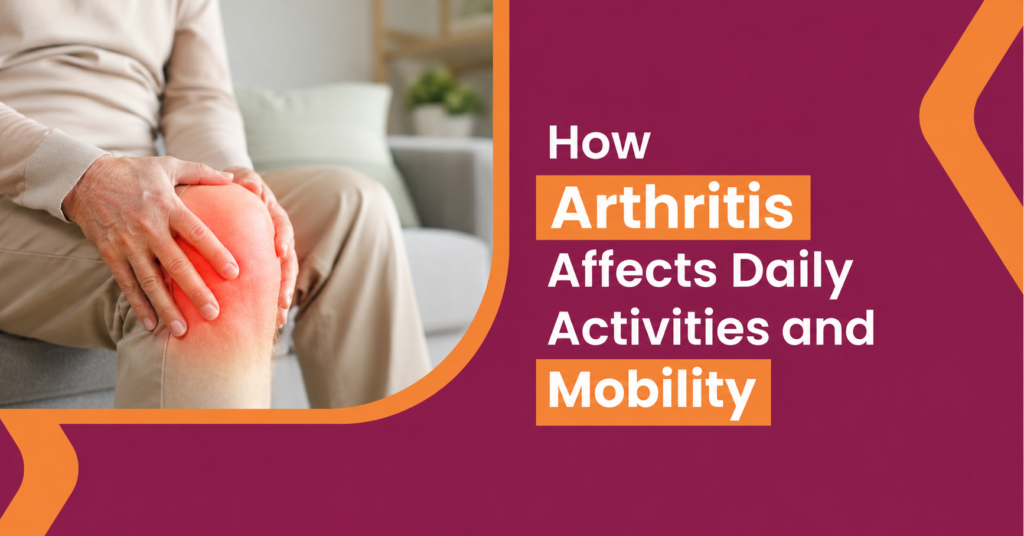
Arthritis is one of the most common musculoskeletal conditions affecting people of all ages, although it is more frequently seen in older adults. It is characterized by inflammation, degeneration, or damage within the joints, leading to discomfort and functional limitations. The impact of arthritis extends beyond physical pain, often affecting a person’s ability to perform everyday tasks, maintain independence, and enjoy a good quality of life. Understanding how arthritis affects daily life is essential for recognizing symptoms early and seeking appropriate care to prevent further complications.
The most common forms of arthritis include Osteoarthritis and Rheumatoid arthritis. Osteoarthritis occurs due to joint degeneration and gradual cartilage damage, while Rheumatoid arthritis is an autoimmune condition that causes inflammation in the joints. Regardless of the type, arthritis can lead to significant joint pain, joint stiffness, and mobility issues that interfere with routine activities. Simple tasks such as getting out of bed, climbing stairs, walking, cooking, writing, or even opening a jar can become challenging due to persistent discomfort and reduced joint function.
One of the earliest arthritis symptoms is morning stiffness. Many individuals experience difficulty moving their joints after waking up, which may last for several minutes or even hours. This stiffness can affect productivity and delay the start of daily activities. As the condition progresses, chronic joint pain and joint inflammation may become more frequent, making it difficult to perform work-related tasks or participate in recreational activities. For individuals with arthritis in weight-bearing joints such as the knees and hips, the impact of arthritis on mobility can be particularly significant.
Walking is often one of the most affected activities. Arthritis and walking difficulties are commonly linked because painful joints reduce stability and flexibility. People may develop an altered walking pattern to avoid pain, which can place additional stress on surrounding muscles and joints. Over time, this compensation can contribute to further discomfort and a greater risk of falls. Additionally, arthritis can cause a reduced range of motion, limiting the ability to bend, stretch, or rotate affected joints comfortably.
The relationship between arthritis and mobility goes beyond physical movement. Reduced mobility can impact mental and emotional well-being. Individuals may avoid social gatherings, travel, exercise, or hobbies due to pain and discomfort. This decrease in activity levels can lead to muscle weakness, weight gain, and reduced cardiovascular health, creating a cycle that further worsens arthritis symptoms. Therefore, maintaining movement and following a structured arthritis management plan is crucial for preserving independence and overall health.
An accurate arthritis diagnosis is the first step toward effective treatment. Healthcare professionals evaluate symptoms, medical history, physical examination findings, and imaging studies to determine the severity and type of arthritis. Early diagnosis can help prevent irreversible joint damage and improve long-term outcomes. Once diagnosed, treatment plans are customized based on the patient’s condition, age, activity level, and overall health.
Modern arthritis treatment focuses on reducing pain, controlling inflammation, and improving joint function. Medications, lifestyle modifications, and rehabilitation programs are commonly recommended. Physical therapy for arthritis plays a vital role in restoring strength, flexibility, and balance. Targeted exercises can improve mobility, reduce stiffness, and support bone and joint health. Many patients also experience significant arthritis pain relief through weight management, low-impact activities, and proper joint protection techniques.
Research has consistently highlighted the importance of movement in managing arthritis. The arthritis exercise benefits include stronger muscles, improved joint flexibility, better circulation, and enhanced mood. Activities such as walking, swimming, stretching, and cycling can help maintain healthy joints without placing excessive stress on them. For individuals living with arthritis, regular physical activity combined with professional guidance can make a substantial difference in maintaining daily function.
In cases where conservative treatments no longer provide adequate relief, advanced interventions may be necessary. Severe joint damage caused by arthritis can significantly restrict movement and quality of life. In such situations, joint replacement surgery may be recommended to restore mobility and reduce pain. Surgical options, including knee and hip replacement procedures, have helped countless patients regain independence and return to their normal activities. Additionally, comprehensive arthritis rehabilitation following surgery ensures optimal recovery and long-term success.
Conclusion:
If you are experiencing persistent arthritis symptoms or mobility concerns, consulting an experienced orthopedic doctor in Hyderabad is essential for accurate diagnosis and treatment. Whether you require non-surgical management, guidance from a knee replacement surgeon, support from a hip replacement surgeon, or specialized care from an orthopedic pediatric surgeon, expert medical attention can help improve your quality of life. For comprehensive arthritis treatment and advanced orthopedic solutions, Dr. Madhu Reddy (Orthopedic Surgeon) at M M Ortho Hospital is committed to providing personalized care focused on restoring mobility, reducing pain, and helping patients return to their daily activities with confidence.