
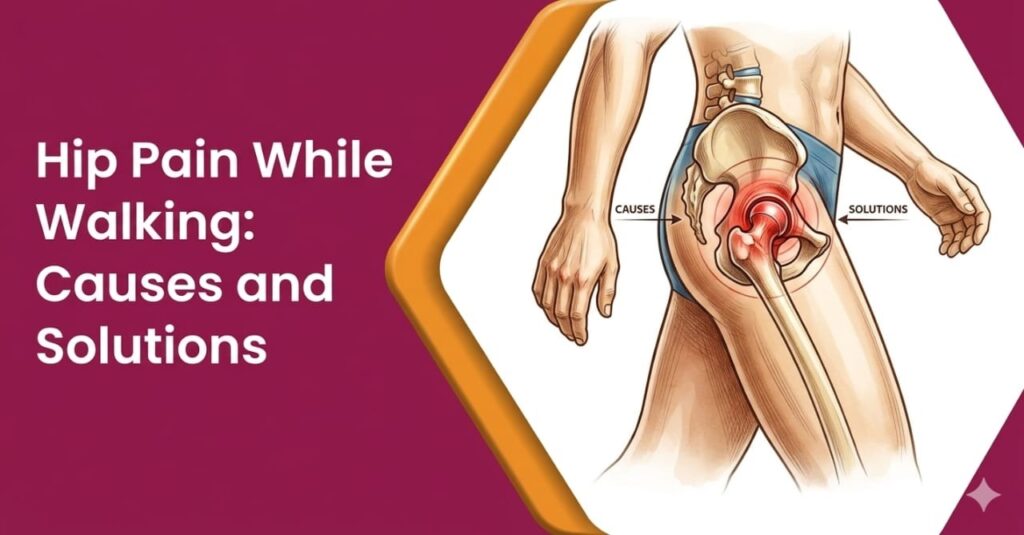
Hip pain while walking is a common problem that affects people of all ages, from young athletes to older adults. The hip joint plays a crucial role in supporting body weight and enabling smooth movement. When discomfort develops, even simple activities like walking, climbing stairs, or standing for long periods can become difficult. Pain in hip while walking may occur suddenly after an injury or develop gradually due to underlying medical conditions. Identifying the hip pain causes early is essential to prevent worsening symptoms and maintain an active lifestyle. Fortunately, with timely hip pain diagnosis, appropriate hip pain treatment, and lifestyle modifications, most people can experience significant hip pain relief and return to their daily activities comfortably.
Common Causes of Hip Pain While Walking
There are several causes of hip pain, and understanding the underlying issue helps determine the most effective treatment.
One of the leading causes is osteoarthritis of the hip, a condition in which the cartilage cushioning the hip joint gradually wears away. This results in hip joint pain, hip stiffness, swelling, and reduced mobility. It is particularly common among older adults and is a major reason for chronic hip pain.
Another common condition is hip bursitis, where the small fluid-filled sacs (bursae) surrounding the hip become inflamed. People with hip bursitis often experience sharp pain on the outer side of the hip, especially during walking, climbing stairs, or lying on the affected side.
Hip tendonitis occurs when the tendons around the hip become irritated due to repetitive activities such as running, cycling, or prolonged walking. Similarly, a hip muscle strain can develop after sudden physical activity, overuse, or improper exercise techniques, causing pain and difficulty walking.
A hip labral tear is another cause of persistent hip discomfort. The labrum is a ring of cartilage that stabilizes the hip joint, and when torn, it can cause clicking sensations, stiffness, and pain while moving.
Sometimes, the pain may not originate from the hip itself. Sciatica and hip pain often occur together because irritation of the sciatic nerve can radiate pain into the hip, buttock, and leg. Likewise, groin pain and hip pain frequently coexist in conditions affecting the hip joint.
Inflammatory diseases such as rheumatoid arthritis can also lead to hip joint inflammation, resulting in pain, swelling, and reduced range of motion.
Symptoms That Should Not Be Ignored
People experiencing hip pain when walking may notice stiffness after resting, difficulty climbing stairs, limping, reduced flexibility, or discomfort that worsens after prolonged activity. Persistent hip pain in adults, especially if accompanied by swelling, fever, or inability to bear weight, requires prompt medical evaluation. Ignoring symptoms may lead to progressive joint damage and reduced quality of life.
Hip Pain Diagnosis
Accurate hip pain diagnosis begins with a detailed medical history and physical examination. Your orthopedic specialist will evaluate your walking pattern, joint movement, muscle strength, and areas of tenderness.
Diagnostic imaging such as X-rays can identify arthritis and fractures, while MRI scans help detect soft tissue injuries like hip labral tears, tendon damage, or inflammation. In some cases, blood tests may be recommended to rule out inflammatory conditions or infections. Proper diagnosis ensures that patients receive the best treatment for hip pain based on the exact cause.
Hip Pain Treatment and Solutions
The appropriate hip pain treatment depends on the underlying condition and severity of symptoms.
For mild to moderate pain, rest, activity modification, ice therapy, anti-inflammatory medications, and physiotherapy are often highly effective. Guided hip pain exercises strengthen the muscles surrounding the hip, improve flexibility, enhance hip mobility, and reduce pressure on the joint.
Maintaining a healthy body weight also decreases stress on the hip joint and contributes to long-term hip pain prevention. Regular stretching before exercise and using proper footwear further reduce the risk of injury.
For conditions like arthritis, doctors may recommend medications, joint injections, or regenerative therapies to manage pain and inflammation. When conservative treatment no longer provides relief and joint damage becomes severe, hip replacement surgery may be the most effective option for restoring mobility and improving quality of life. A personalized hip rehabilitation program after treatment or surgery helps patients regain strength, balance, and confidence while walking with hip pain becomes a thing of the past.
Conclusion
Persistent hip pain while walking should never be ignored, as early diagnosis and timely treatment can prevent long-term complications and restore an active lifestyle. Whether the discomfort is caused by arthritis, tendon injuries, bursitis, muscle strain, or other joint disorders, consulting an experienced Orthopedic Doctor in Hyderabad ensures accurate diagnosis and personalized care. If advanced surgical treatment becomes necessary, an experienced Hip Replacement Surgeon can help restore pain-free mobility, while a skilled Knee Replacement Surgeon can address complex knee-related joint conditions that may also affect walking mechanics. Children experiencing hip disorders can benefit from the expertise of an Orthopedic Pediatric Surgeon. For comprehensive orthopedic care, consult Dr. Madhu Reddy, Orthopedic Surgeon at M&M Ortho Hospital, where advanced diagnostics, modern treatment options, rehabilitation services, and patient-focused care work together to deliver the best possible outcomes for every stage of joint health.