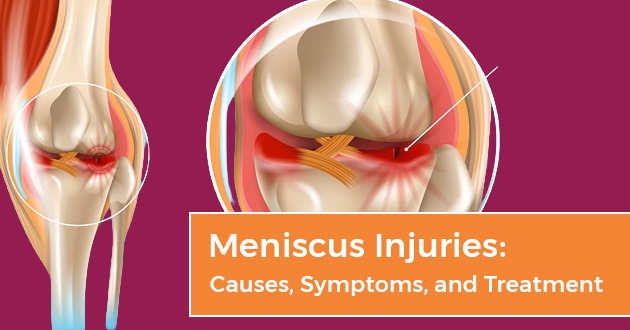
Meniscus injuries are among the most common knee problems affecting people of all age groups, from young athletes to older adults. The meniscus is a C-shaped piece of cartilage located in the knee joint that acts as a shock absorber between the thigh bone (femur) and shin bone (tibia). Each knee has two menisci—medial and lateral—and they play a crucial role in maintaining joint stability, distributing weight, and protecting the cartilage from wear and tear. When the meniscus is damaged or torn, it can significantly impact mobility and quality of life, making early diagnosis and proper treatment essential.
Causes of Meniscus Injuries
Meniscus injuries can occur due to both traumatic and degenerative reasons. In younger individuals, especially athletes, tears are often caused by sudden twisting or pivoting movements while the foot is firmly planted on the ground. Sports like football, basketball, and cricket commonly involve such movements, increasing the risk of injury. On the other hand, in older adults, meniscus tears are usually degenerative. As we age, the cartilage becomes weaker and more prone to tearing even with minor stress, such as squatting or stepping awkwardly. Obesity, poor muscle strength, and previous knee injuries also increase the risk of meniscal damage.
Symptoms of Meniscus Tears
The symptoms of a meniscus injury can vary depending on the severity of the tear. Common signs include knee pain, especially along the joint line, swelling that develops within a few hours or days, stiffness, and difficulty in fully bending or straightening the knee. Some patients may experience a locking or catching sensation, where the knee feels stuck during movement. Others may hear a “popping” sound at the time of injury. In mild cases, individuals might still be able to walk, but the discomfort gradually worsens over time. Ignoring these symptoms can lead to further joint damage and complications.
Diagnosis and Evaluation
Accurate diagnosis is key to effective treatment. An experienced orthopedic doctor in Hyderabad or elsewhere will typically begin with a physical examination, checking for tenderness, range of motion, and stability. Imaging tests such as MRI scans are often recommended to confirm the diagnosis and determine the extent and type of tear. Early evaluation helps in choosing the most suitable treatment plan and prevents long-term complications like osteoarthritis.
Treatment Options for Meniscus Injuries
Treatment depends on several factors, including the size and location of the tear, the patient’s age, activity level, and overall health. For minor tears, conservative management may be sufficient. This includes rest, ice application, compression, elevation (RICE protocol), physiotherapy, and medications to reduce pain and inflammation. Strengthening the surrounding muscles helps stabilize the knee and promotes healing.
However, in cases where the tear is severe or does not respond to conservative treatment, surgical intervention may be required. Arthroscopic surgery is a minimally invasive procedure commonly used to repair or remove the damaged portion of the meniscus. Advanced techniques allow surgeons to preserve as much of the natural cartilage as possible, which is crucial for long-term joint health. In rare and complex cases where knee damage is extensive, procedures like knee replacement surgery may be considered, performed by an experienced knee replacement surgeon. Similarly, patients with associated joint issues may require consultation with a hip replacement surgeon or even an orthopedic pediatric surgeon for younger patients with specific conditions.
Recovery and Rehabilitation
Recovery after a meniscus injury or surgery varies from person to person. Physiotherapy plays a vital role in regaining strength, flexibility, and mobility. Patients are advised to follow a structured rehabilitation program and avoid high-impact activities until fully recovered. With proper care, most individuals can return to their normal activities and even sports.
Conclusion:
Meniscus injuries, though common, should never be taken lightly. Timely diagnosis, appropriate treatment, and guided rehabilitation are essential to prevent long-term knee problems. Consulting a skilled orthopedic doctor in Hyderabad ensures accurate evaluation and personalized care. For advanced treatment options, including surgical intervention, experienced specialists like a knee replacement surgeon, hip replacement surgeon, or orthopedic pediatric surgeon may be involved depending on the patient’s needs. At MM Ortho Hospital, under the expertise of Dr. Madhu Reddy (orthopedic surgeon), patients receive comprehensive care for all types of knee injuries, including meniscus tears, ensuring faster recovery and improved quality of life.