Understanding Joint Pain as You Get Older
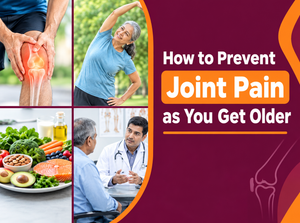
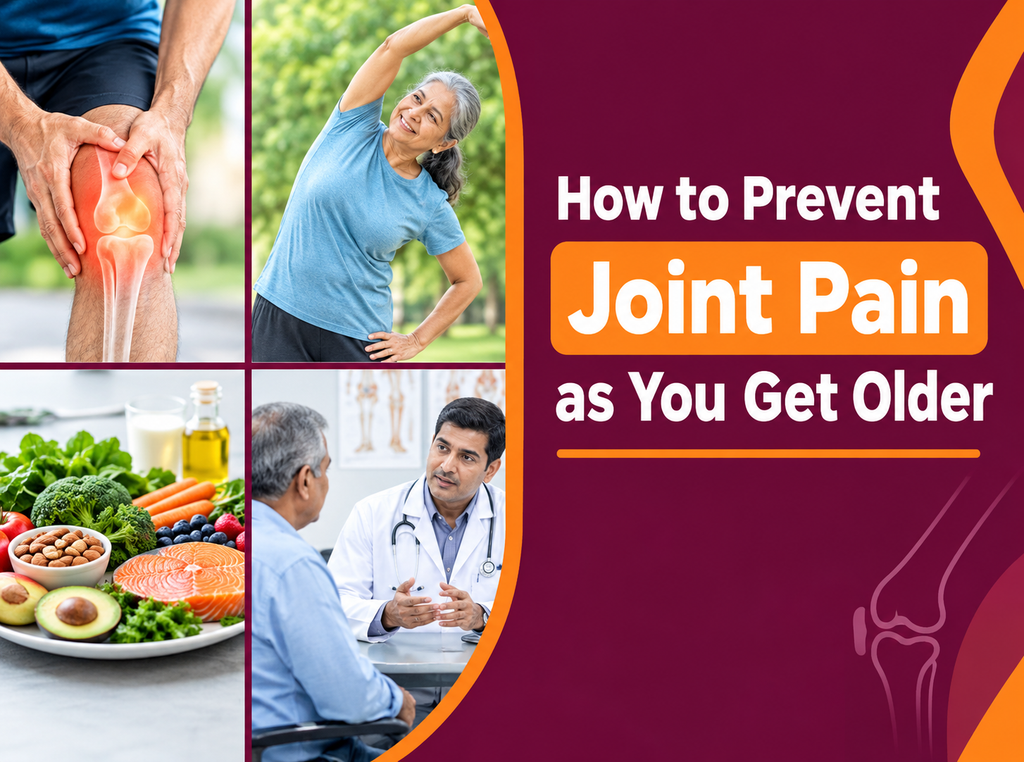
As we age, our joints naturally experience changes that can affect movement, flexibility, and comfort. Joint pain as you get older may develop due to cartilage wear, reduced muscle strength, previous injuries, inflammation, or conditions such as arthritis. Although some age-related changes are natural, taking the right steps early can support joint health and help maintain an active lifestyle. Understanding how to prevent joint pain can make a significant difference in maintaining mobility and independence throughout the later years.
Maintain a Healthy Weight
One of the most effective approaches to joint pain prevention is maintaining a healthy body weight. Excess weight can place additional stress on weight-bearing joints, particularly the knees, hips, and ankles. Over time, this extra pressure may contribute to discomfort and cartilage wear. Maintaining a healthy weight through balanced nutrition and regular physical activity can support healthy joints as you age. Even modest weight management can help reduce unnecessary strain on the joints and make everyday movements more comfortable.
Stay Physically Active
Regular physical activity is essential for maintaining joint mobility and supporting the muscles surrounding the joints. People who want to prevent joint pain in old age should include safe and appropriate exercises in their daily routine. Walking, swimming, cycling, stretching, and other low-impact exercises for joints can improve flexibility and muscle strength without placing excessive stress on the joints. Strengthening exercises can also help provide better support to the knees, hips, and other joints.
Choose Exercises That Support Joint Health
When considering exercises for joint health, consistency is often more important than intensity. Gentle stretching can help maintain flexibility, while strength training can improve muscle support around vulnerable joints. Activities such as swimming and water-based exercise can be particularly useful because the water reduces pressure on weight-bearing joints. If you already experience joint stiffness in older adults or persistent pain, it is advisable to discuss an appropriate exercise routine with an orthopedic professional before beginning a new program.
Follow a Balanced Diet
Nutrition plays an important role in bone and joint health. A balanced diet containing vegetables, fruits, whole grains, lean proteins, and healthy fats can provide nutrients needed for overall health. Foods containing calcium and vitamin D are particularly important for maintaining strong bones. Adequate protein can also support muscle strength, while a varied diet can contribute to overall wellness. Following a nutritious diet for healthy joints along with regular activity can support healthy aging.
Protect Your Joints During Daily Activities
Simple lifestyle habits can also contribute to lifestyle changes for joint health. Avoid staying in the same position for long periods, take regular movement breaks, use proper body mechanics when lifting objects, and choose comfortable, supportive footwear. Maintaining good posture and avoiding unnecessary strain can help reduce stress on the joints. These tips for healthy joints can easily become part of your daily routine and support long-term mobility.
Recognize Early Signs of Joint Problems
Understanding the causes of joint pain in older adults and recognizing early symptoms can help with timely care. Persistent pain, swelling, stiffness, reduced range of motion, or difficulty walking should not always be considered a normal part of aging. Early evaluation can help identify conditions such as osteoarthritis or other joint problems. Preventing arthritis entirely may not always be possible, but maintaining a healthy weight, staying active, protecting joints, and seeking timely medical advice can help reduce risk factors and support arthritis prevention.
When to Seek Professional Care
Occasional discomfort may improve with rest and appropriate joint pain relief measures, but ongoing or worsening symptoms deserve professional evaluation. An orthopedic specialist can assess the cause of pain and recommend suitable treatment. Depending on the condition, treatment may include lifestyle modifications, physiotherapy, medication, injections, or surgical options when necessary. Managing joint pain with age is easier when problems are identified and treated appropriately rather than ignored.
Conclusion
Taking care of your joints should be part of a long-term approach to healthy aging and joints. Maintaining a healthy weight, eating a nutritious diet, staying physically active, choosing low-impact exercises for joints, and paying attention to early symptoms can all support joint pain prevention. If joint pain or stiffness begins affecting your daily activities, consulting an experienced specialist can help determine the appropriate course of action. An orthopedic doctor in Hyderabad can evaluate different joint conditions and guide patients toward suitable treatment options. Specialists such as a knee replacement surgeon or hip replacement surgeon may provide advanced care when severe joint damage requires surgical treatment, while an orthopedic pediatric surgeon focuses on orthopedic conditions affecting children. For professional orthopedic evaluation and treatment, patients can consult Dr. Madhu Reddy (orthopedic surgeon) at M&M Ortho Hospital, where appropriate care can help patients work toward better mobility and joint health.